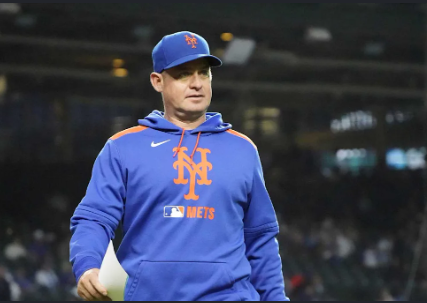
BREAKING: Mets Carlos Mendoza Pulls Vote on Another Major Team Addition, Sends Shockwaves Through the Nation
NEW YORK The New York Mets organization finds itself at the center of controversy after reports emerged that coach Carlos Mendoza played a key role in withdrawing support for a proposed major addition to the team’s roster.
While details surrounding the situation remain closely guarded, sources familiar with internal discussions indicate that a highly anticipated move involving a significant player acquisition was expected to gain momentum before an unexpected shift altered the course of events. The decision has generated intense speculation among fans, analysts, former players, and executives across baseball.
The development comes at a critical time for the Mets as the franchise continues its pursuit of championship contention under the leadership of David Stearns and owner Steve Cohen.
A Surprising Turn of Events
For weeks, rumors had circulated that the Mets were exploring ways to strengthen their roster. Industry insiders suggested that discussions centered on adding another impactful player capable of addressing long-term needs while enhancing the club’s postseason ambitions.
Many around baseball believed the move was progressing smoothly.
However, multiple reports now suggest that support for the addition weakened after internal evaluations raised questions about roster balance, clubhouse chemistry, financial flexibility, and player development priorities.
The most surprising aspect was the reported involvement of Mendoza.
Known throughout baseball as a calm and collaborative leader, Mendoza has consistently emphasized team culture and player accountability since taking over managerial duties. Because of that reputation, many observers expected him to support any move that would add talent to the roster.
Instead, reports indicate he expressed concerns during internal discussions.
Those concerns reportedly centered not on talent, but on fit.
According to individuals familiar with the process, Mendoza believed the proposed addition could potentially disrupt the progress of several emerging players already competing for opportunities at the major league level.
Why the Decision Matters
Major League Baseball organizations constantly evaluate opportunities to improve.
Sometimes those opportunities involve acquiring established stars.
Other times they involve allowing younger players to develop into larger roles.
The Mets have spent recent seasons attempting to balance both approaches.
On one hand, ownership has demonstrated a willingness to invest heavily in winning.
On the other, baseball operations leadership has focused on building sustainable organizational depth.
The reported withdrawal of support for the addition highlights the challenge of balancing those objectives.
Many executives around the league view every roster decision as more than a simple talent upgrade. They must also consider:

- Future payroll commitments.
- Development of younger players.
- Clubhouse dynamics.
- Defensive flexibility.
- Long-term roster construction.
- Organizational philosophy.
The latest Mets decision appears to reflect those broader considerations.
Fan Reaction Erupts
As news of the development spread, social media platforms quickly became flooded with reactions.
Some fans applauded the move.
Supporters of Mendoza argued that preserving team chemistry and protecting opportunities for younger contributors could prove beneficial in the long run.
Others expressed frustration.
Many believed the Mets should aggressively pursue every opportunity to improve the roster, particularly given the competitive nature of the National League.
Sports talk radio programs across New York immediately turned the issue into a major topic of discussion.
Questions emerged:
- Was the proposed addition truly necessary?
- Did financial considerations play a role?
- Could the decision impact future transactions?
- What message does it send to the clubhouse?
The uncertainty only intensified public interest.
Inside the Mets’ Philosophy
Since arriving in leadership roles, both Mendoza and Stearns have emphasized a disciplined approach to decision-making.
Rather than reacting impulsively to short-term pressure, the organization has sought to create a sustainable foundation capable of producing long-term success.
That strategy has included:
- Expanding player development resources.
- Investing in scouting.
- Strengthening analytics departments.
- Improving organizational depth.
- Maintaining roster flexibility.
Observers believe the latest decision may reflect that philosophy.

Instead of making a move solely because it appeared attractive on paper, leadership may have determined that patience represented the wiser course.
Such decisions are rarely popular in the moment.
Yet baseball history is filled with examples where organizations benefited from avoiding transactions that initially seemed appealing.
Players Remain Focused
Inside the clubhouse, players reportedly remain focused on the season.
Veterans understand that front-office discussions occur constantly throughout the year.
Trade rumors, free-agent speculation, and roster debates are all part of professional baseball.
Several players have publicly praised Mendoza’s communication style since he became manager.
His ability to maintain transparency and trust has been widely credited as one of the team’s strengths.
As a result, many believe any concerns he raised regarding the proposed addition were motivated solely by what he believed would help the team succeed.
That perspective has earned him respect throughout the organization.
The Pressure of Expectations
Few franchises face expectations as high as the Mets.
Playing in New York guarantees intense scrutiny.
Every move receives attention.
Every rumor generates headlines.
Every decision becomes a topic of public debate.
The franchise’s ambitious goals have only increased those expectations.
Fans want championships.
Ownership wants championships.
Players want championships.
Those aspirations naturally create pressure surrounding every roster decision.
The reported withdrawal of support for a major addition demonstrates just how significant even internal discussions can become when they involve one of baseball’s most closely watched organizations.
What Could Happen Next?
Despite the latest development, industry observers caution against assuming the Mets are finished exploring roster upgrades.
Baseball executives routinely evaluate hundreds of possibilities throughout the year.
A rejected proposal today does not necessarily eliminate future opportunities.
The organization could still pursue:
- Trade acquisitions.
- Free-agent signings.
- Bullpen reinforcements.
- Bench upgrades.
- Starting pitching depth.
- Position-player additions.
In fact, some analysts believe the decision may simply indicate that leadership prefers a different type of acquisition.
Rather than targeting a headline-grabbing move, the club may focus on players who better align with organizational priorities.
League-Wide Reactions
Around baseball, executives and analysts have closely followed the story.
Several observers praised the willingness to prioritize organizational fit over public perception.
Others questioned whether passing on a major addition could prove costly in a highly competitive environment.

Regardless of perspective, most agreed on one point:
The decision underscores the growing influence managers can have in modern baseball organizations.
While front offices ultimately control roster construction, successful teams increasingly value collaboration between executives, coaches, scouts, analysts, and player-development personnel.
Mendoza’s reported involvement illustrates that trend.
The Leadership Factor
One reason this story has attracted national attention is Mendoza’s leadership reputation.
Throughout his career, he has been viewed as a communicator capable of bringing people together.
Former colleagues frequently describe him as thoughtful, detail-oriented, and focused on building strong relationships.
Those qualities helped him earn opportunities within professional baseball and eventually secure the Mets managerial position.
Because of that reputation, any reported disagreement involving roster construction naturally draws attention.
It suggests a leader willing to voice concerns when he believes they are important.
Looking Ahead
The coming weeks could provide greater clarity regarding the situation.
Whether the Mets revisit the proposed addition, pursue alternative options, or remain committed to their current roster, the decision will continue to be analyzed by fans and media alike.
For now, one thing remains clear:
The Mets believe every roster move must serve a larger purpose.
Talent alone is not enough.
Fit matters.
Timing matters.
Development matters.
Culture matters.
And according to reports surrounding this latest episode, those factors ultimately influenced one of the most talked-about decisions in recent team history.
Conclusion
The reported decision by Mets manager Carlos Mendoza to withdraw support for a proposed major team addition has become one of the biggest baseball stories in the country. Though many details remain undisclosed, the development has ignited debate about roster construction, leadership influence, organizational philosophy, and the balance between immediate improvement and long-term success.
As fans await further information, the story serves as a reminder that championship organizations are built not only through bold acquisitions but also through difficult decisions made behind closed doors.
Whether this move proves wise or costly will ultimately be determined on the field. Until then, the Mets remain under the spotlight, with every decision scrutinized as they continue their pursuit of bringing another championship to New York.
Leave a Reply