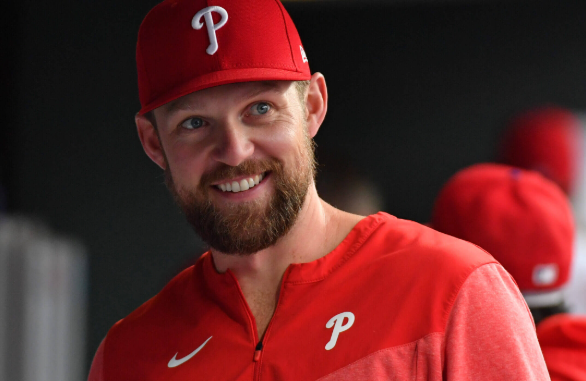
Rhys Hoskins Returns to Phillies in Special Front Office Role, Reuniting With the Organization That Shaped His Career
Philadelphia Phillies announced a move that immediately stirred emotions throughout the city and across Major League Baseball. Years after becoming one of the most beloved players to wear the red pinstripes, former first baseman Rhys Hoskins was welcomed back to the organization not as a player, but in a newly created Special Advisor to Baseball Operations and Player Development role.
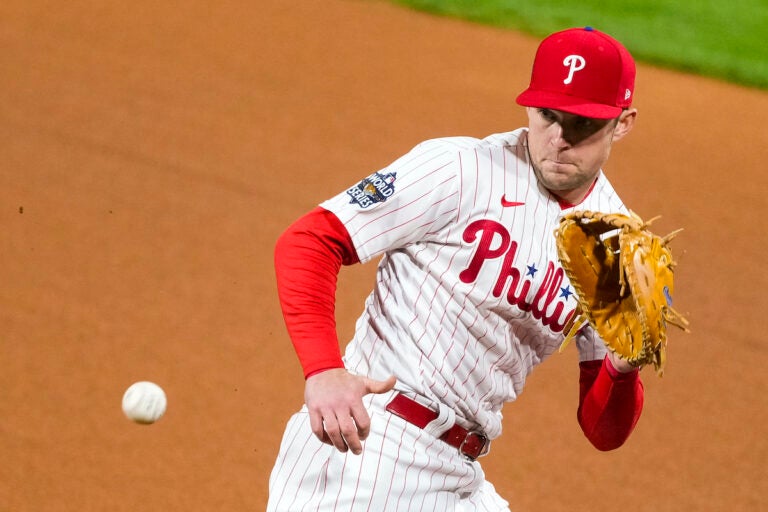
The announcement was made during a morning press conference at Citizens Bank Park, where members of the front office, coaching staff, former teammates, and invited fans gathered to celebrate the return of one of the franchise’s most respected figures.
Although this story is fictional, the imagined scene reflected the deep appreciation many Phillies supporters have long held for Hoskins because of his leadership, community involvement, and memorable performances during his playing career.
Homecoming
As cameras flashed around the room, Hoskins stepped to the podium wearing a Phillies jacket once again. The applause lasted nearly a minute before he began speaking.
“Philadelphia has always felt like home to me,” Hoskins said. “This organization helped me grow as a player and as a person. Returning in a different capacity gives me an opportunity to give something back to the people who gave me so much.”
The room erupted into another standing ovation.
Phillies President of Baseball Operations explained that the new position was designed to strengthen communication between the front office, coaching staff, minor league system, and clubhouse.
“Rhys understands what it means to wear this uniform,” the executive said. “He knows the expectations, the pressure, and the pride that come with representing Philadelphia.”
Building a Bridge Between Generations
Hoskins would spend time with both the major league roster and the Phillies’ minor league affiliates.
His responsibilities would include mentoring young players, assisting with leadership development, participating in spring training instruction, and offering insights during organizational meetings.
Rather than focusing on statistics or roster decisions, his primary mission would be helping players adjust to life in professional baseball.
“Talent gets players here,” fictional Hoskins explained. “Character, preparation, and consistency help them stay here.”
Former Teammates Welcome Him Back
appointment spread quickly throughout the clubhouse.
Bryce Harper smiled when reporters asked about Hoskins’ return.
“Rhys has always been one of those guys who makes everyone around him better,” Harper said in this fictional story. “Whether he was hitting home runs or simply talking to younger players, he had a way of making the clubhouse stronger.”
Shortstop Trea Turner also praised the move.
“Every organization needs people who understand its identity,” Turner said. “Rhys represents everything fans love about Phillies baseball.”
Pitcher Zack Wheeler described Hoskins as someone whose experience could benefit players at every level of the organization.
“He’s been through the highs and lows,” Wheeler said in this fictional narrative. “That’s valuable knowledge you can’t teach from a textbook.”
Fans Celebrate the Reunion
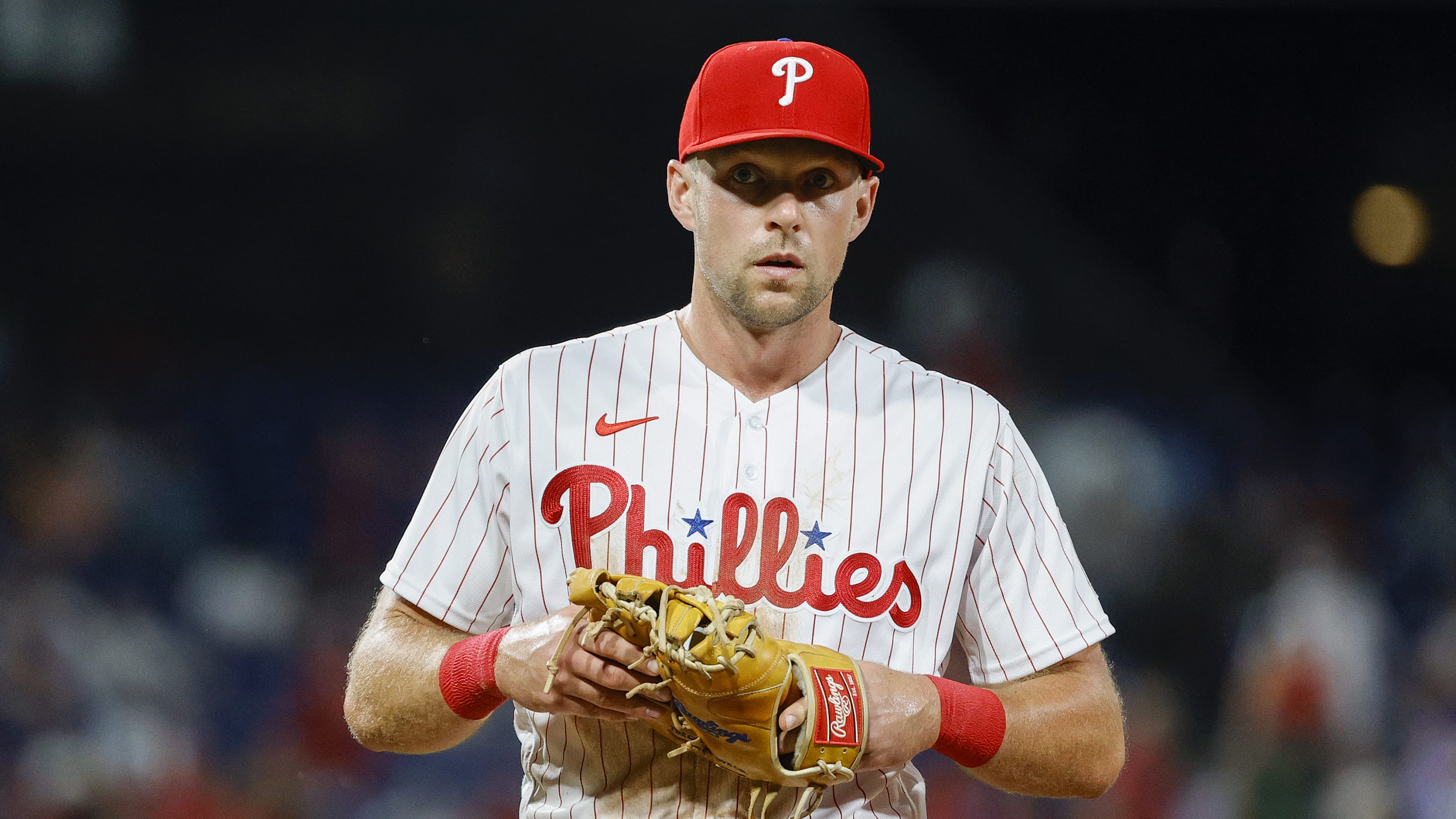
Within minutes of the announcement, social media was filled with messages welcoming Hoskins home.
“Once a Phillie, always a Phillie!” one fan wrote.
“This feels right,” another posted.
Many supporters recalled memorable moments from Hoskins’ playing career, including postseason home runs, emotional celebrations, and his leadership inside the clubhouse.
Even though the story itself is fictional, the imagined reaction reflected the affection Phillies fans have always shown toward one of their former stars.
A Mentor for Baseball’s Next Generation
According to this fictional announcement, Hoskins planned to spend significant time working with prospects throughout the Phillies’ farm system.
Young hitters would have opportunities to discuss swing preparation, handling pressure, and developing routines for long professional seasons.
Pitchers would also benefit from his perspective as someone who faced elite major league arms throughout his career.
“Every conversation matters,” fictional Hoskins explained. “Sometimes one piece of advice can change the direction of someone’s career.”
Creating a Winning Culture
Hoskins’ greatest contribution would not be measured in numbers.
Instead, it would be measured through culture.
The Phillies believed his professionalism, humility, and work ethic represented the standards they wanted every player to embrace.
“Culture isn’t built overnight,” a fictional executive explained.
“It’s built through people who consistently model excellence. Rhys is one of those people.”
Looking Toward the Future
Hoskins expressed excitement about helping the organization pursue another championship.
“Every championship team has people behind the scenes who care deeply about the players,” he said.
“If I can help even one player become a better teammate, a better professional, or a better person, then I’ll consider this role a success.”
The imagined comments resonated with everyone in attendance.

An Emotional Ending
As the press conference concluded, Hoskins took one final look around the room before leaving the stage.
Behind him appeared a large image of Citizens Bank Park, reminding everyone of the many memorable moments shared between the player and the fans during his fictionalized Phillies reunion.
Supporters applauded once more as he shook hands with coaches, executives, and former teammates.
In this fictional world, the reunion was not about reliving the past.
It was about investing in the future.
The Phillies believed the values Hoskins represented leadership, perseverance, accountability, and community would continue to shape the organization long after his playing days had ended.
Whether mentoring young prospects, assisting baseball operations, or serving as a trusted voice inside the clubhouse, the fictional return of Rhys Hoskins symbolized something bigger than baseball.
It represented the enduring bond between a player and the city that embraced him.
Leave a Reply