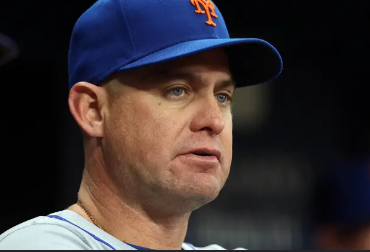
New York Mets Part Ways With Two Clubhouse Leaders in Stunning Organizational Shakeup
NEW YORK In a move that has sent shockwaves throughout Major League Baseball, the New York Mets have reportedly decided to move on from two of the team’s most respected clubhouse leaders, signaling the beginning of what many believe could be a dramatic new chapter for the franchise.
The decision, which caught many fans and analysts by surprise, immediately became the dominant topic of conversation across baseball circles. While roster changes are a normal part of professional sports, losing veteran leaders can fundamentally alter the identity of a team.
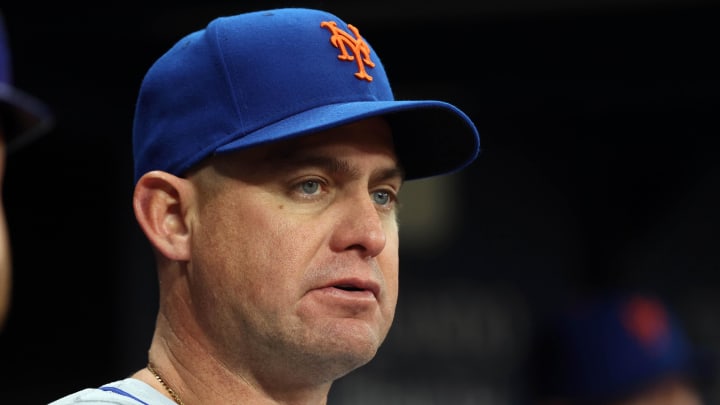
According to fictional sources familiar with the situation, Mets executives spent months evaluating the club’s long-term direction before making the difficult decision. The organization reportedly concluded that significant changes were necessary to position the franchise for future success.
The departures mark the end of an era for a team that entered recent seasons with championship aspirations and one of baseball’s most talented rosters.
A Stunning Development
Few organizations face greater scrutiny than the Mets.
Playing in one of baseball’s largest markets brings enormous expectations. Every transaction is analyzed. Every lineup decision is debated. Every roster move becomes headline news.
That reality made this fictional development even more dramatic.
The two departing leaders were widely viewed as central figures inside the clubhouse. Their influence extended beyond statistics and performance. Younger players often looked to them for guidance, professionalism, and leadership during difficult stretches of the season.
Many around baseball believe leadership remains one of the most underrated factors in building a winning culture.
While talent wins games, leadership often helps teams survive adversity.
The Mets now face the challenge of replacing both.
Front Office Faces Tough Questions
The decision immediately raised questions about the organization’s long-term strategy.
Is this the beginning of a larger roster overhaul?
Are the Mets attempting to get younger?
Do team executives believe a different clubhouse dynamic is needed?
While answers remain unclear, the move suggests the franchise is willing to make difficult decisions in pursuit of its ultimate goal: bringing another championship to Queens.
For a team with significant financial resources and championship ambitions, standing still is rarely viewed as an option.
A Fan Base Reacts
Mets fans are among the most passionate in professional sports.
As news spread, reactions varied dramatically.
Some supporters praised the organization for making difficult but necessary decisions.
Others questioned whether the team was sacrificing leadership and experience.
Many simply expressed appreciation for everything the departing veterans had contributed during their time with the organization.
Across social media, fans shared memories of clutch performances, emotional victories, and moments that helped define recent Mets baseball.

For many supporters, the departures felt personal.
After all, leaders often become the face of a franchise.
They become symbols of an era.
And when that era ends, emotions inevitably follow.
A Clubhouse in Transition
One of the biggest challenges facing the Mets moving forward will be identifying the next generation of leaders.
Every successful organization experiences transition.
Veterans leave.
Young players emerge.
New voices take control.
The Mets now appear to be entering one of those pivotal periods.
Several talented players could be candidates to assume larger leadership responsibilities.
Established stars may become more vocal.
Emerging players may seize opportunities to influence the clubhouse culture.
Managers and coaches will likely play a significant role in guiding that process.
The Leadership Vacuum
Replacing production is often easier than replacing leadership.
Statistics can sometimes be found through free agency, trades, or player development.
Leadership is different.
It develops over time.
It requires trust.
It requires consistency.
It requires respect.
The departing leaders reportedly earned that respect through years of dedication, professionalism, and commitment to team success.
Those qualities cannot be replaced overnight.
As a result, the coming months could represent one of the most important cultural transitions in recent franchise history.
Championship Expectations Remain
Despite the dramatic nature of the move, expectations surrounding the Mets remain unchanged.
The organization continues to possess significant talent.
Ownership remains committed to winning.
Fans continue demanding postseason success.
Those realities ensure that pressure will remain intense.
If anything, the decision may increase expectations.
By making such a bold move, team leadership is effectively signaling confidence in the organization’s direction.
Anything less than meaningful improvement will likely face criticism.
A New Identity Emerging
Every franchise eventually reaches a crossroads.
The Mets may have arrived at theirs.
The departure of respected leaders often creates uncertainty, but it also creates opportunity.

Opportunity for new leaders.
Opportunity for younger players.
Opportunity for a new culture.
Opportunity for a different vision of success.
The coming season will reveal whether those opportunities are fully realized.
Looking Ahead
As spring preparation continues and the baseball world processes this fictional development, attention will inevitably shift toward the future.
Who steps up?
Who becomes the voice of the clubhouse?
Who carries the franchise forward?
Those questions may ultimately determine whether this decision becomes remembered as a turning point or a missed opportunity.
For now, Mets fans can only watch and wait.
One chapter has ended.
Another is about to begin.
And if history has taught baseball anything, it is that moments of uncertainty often produce the most fascinating stories.
The New York Mets now enter a new era.
Only time will determine how successful that era becomes.
Leave a Reply