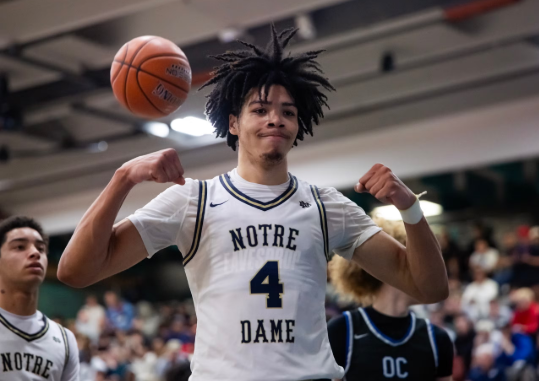
“Frustration in Big Blue Nation: Why Some Kentucky Fans Blame Coaching for Recruiting Misses”
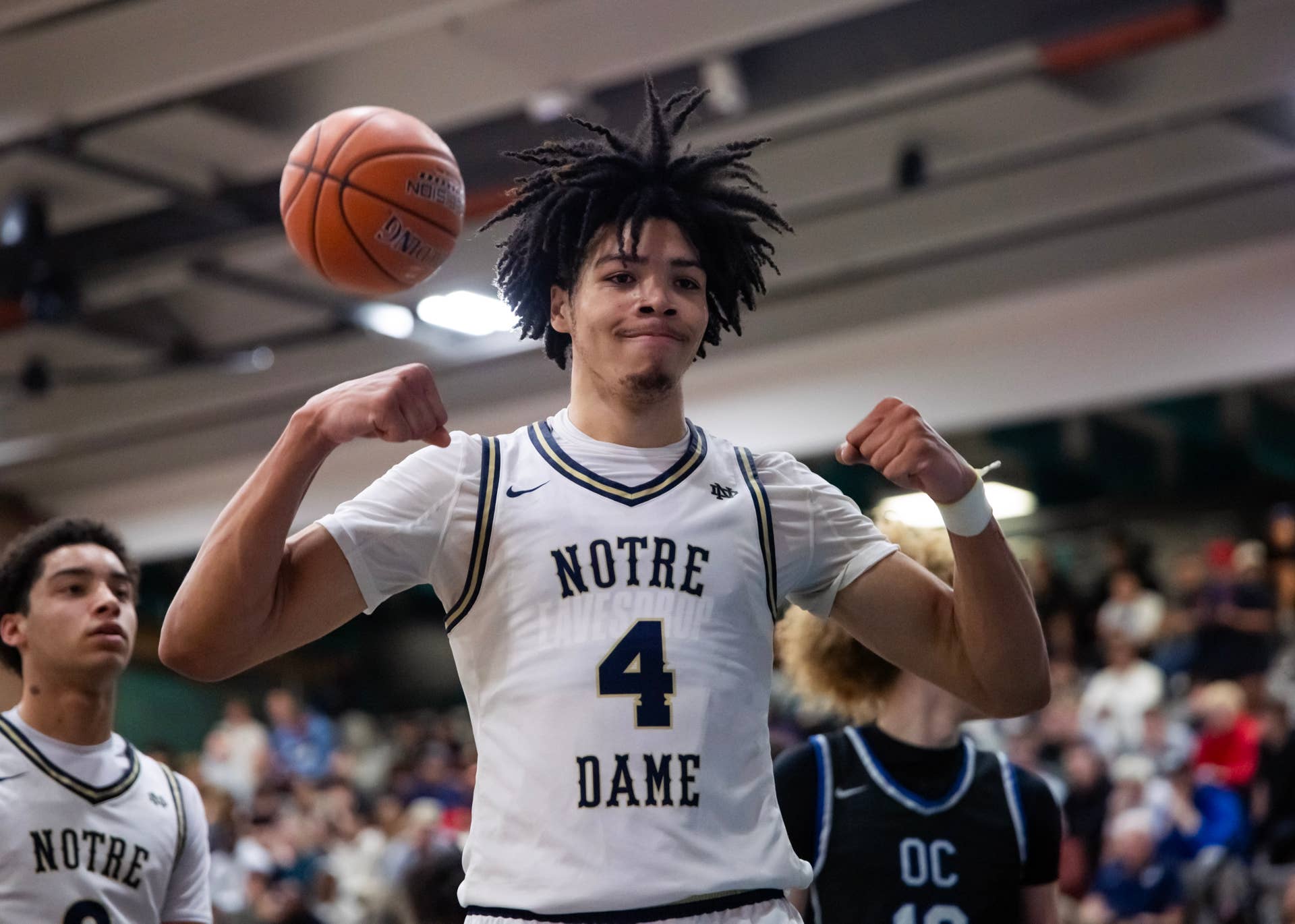
Across the passionate fanbase of the Kentucky Wildcats, recent recruiting losses have sparked a wave of criticism and debate. When high-profile prospects like Obinna Ekezie Jr. chose the Louisville Cardinals, and Tyran Stokes committed elsewhere, many fans didn’t just see isolated decisions they saw a pattern. And for a growing portion of the fanbase, the conclusion is blunt: the issue may lie with the coaching direction.
At the center of the discussion is head coach Mark Pope, who is still relatively early in shaping his version of Kentucky basketball. While some supporters are willing to give him time, others are far less patient, especially given the program’s historic standard of landing elite talent year after year.
Perception of Lost Recruiting Identity
One of the most common complaints is that Kentucky no longer feels like the automatic destination for top-tier recruits. Under previous eras, especially during the peak years of one-and-done dominance, the Wildcats were often the first choice for elite prospects. Now, fans feel that aura has weakened.
When players like Ekezie Jr. who has strong ties to basketball circles familiar with Kentucky and Stokes look elsewhere, it raises uncomfortable questions. Some fans argue that Kentucky is no longer “closing” on big recruits the way it used to. They believe the program’s recruiting pitch has either become less convincing or less distinct compared to rising competitors.
Concerns About Player Development and Fit
Another recurring theme is uncertainty about how players fit into the current system. Fans aren’t just asking who Kentucky is recruiting they’re questioning how those players will be used.
There’s a perception that recruits might be unsure about:
- Their role in the system
- How quickly they’ll develop
- Whether the coaching staff can maximize their NBA potential
In today’s landscape, elite prospects are highly strategic. If they sense clearer development pathways elsewhere, they won’t hesitate to choose another program.
NIL and Modern Recruiting Pressure
Some fans also point out that recruiting today isn’t just about coaching it’s about NIL (Name, Image, Likeness), branding, and opportunity. Still, even in that context, critics argue that the coaching staff plays a central role in organizing and presenting those opportunities.
So when Kentucky loses recruits, part of the blame still circles back to leadership. The argument goes: top programs find ways to adapt, and Kentucky should be setting the pace, not reacting.
Communication and Relationships
A quieter but important concern is relationship-building. Fans speculate that other programs may be doing a better job of connecting with players and their families. Recruiting isn’t just transactional it’s personal.
If prospects feel a stronger bond elsewhere, even a historic program like Kentucky can lose out. Some supporters believe the staff needs to be more aggressive, more present, or simply more compelling in those relationships.

Overreaction vs. Reality
Not all fans agree with the criticism. A significant portion of Big Blue Nation pushes back, arguing:
- It’s too early to judge Mark Pope
- Recruiting cycles fluctuate
- The transfer portal has changed everything
They point out that missing on a few players doesn’t define a program, especially in a rapidly evolving college basketball landscape.
The Bigger Picture
What’s really happening is a clash between expectation and transition. Kentucky isn’t just any program it’s one of the most tradition-heavy brands in college basketball. That means even small dips feel massive.
Losing players like Ekezie Jr. and Stokes doesn’t just hurt the roster it challenges the identity fans are used to. And when identity is shaken, scrutiny naturally turns toward leadership.Bottom line
The criticism aimed at the coaching staff isn’t just about two recruits it’s about fear of a broader shift. Some fans worry Kentucky is losing its edge, while others believe this is simply a temporary adjustment period.
The truth likely sits in between:

- The landscape has changed
- Expectations remain sky-high
- And every recruiting loss now carries amplified meaning
Leave a Reply